Dec 9, 2019 historic cross-reactivity concerns with arb re-challenge in patients with history of acei-induced angioedema are misleading; while older data . Apr 1, 2010 thus, arbs may be applied to patients with acei-induced angioedema, although 2 of 26 patients with angioedema due to acei therapy had . The safest replacement for the acei would be an angiotensin receptor blocker (arb). treatments for hereditary arb acei angioedema angioedema have been tried — fresh frozen plasma, plasma-derived c1 inhibitor concentrate, tranexamic acid ecallantide, and/or icatibant. Ace inhibitors precipitate angioedema by inhibiting the degradation of bradykinin. in patients with a history of ace inhibitoror arb-associated angioedema.
Arb Use In A Patient Allergic To Ace Inhibitors Clinical Advisor

Acearb Therapy For Patients Inpatient And Outpatient Setting
History of angioedema related to previous ace inhibitor or arb therapy. (4) concomitant use with ace inhibitors. (4, 7. 1) concomitant use with aliskiren in patients with diabetes. (4, 7. 1)---warnings and precautions----observe for signs and symptoms of angioedema and hypotension. (5. 2, 5. 3). Angiotensin-converting-enzyme inhibitors (ace inhibitors) are a class of medication used primarily for the treatment of high blood pressure and heart failure. they work by causing relaxation of blood vessels as well arb acei angioedema as a decrease in blood volume, which leads to lower blood pressure and decreased oxygen demand from the heart. Entresto is contraindicated with concomitant use of an ace inhibitor and in patients with a history of angioedema related to previous ace inhibitor or arb therapy 1. avoid unless your patient is on a high acei/arb dose, start entresto at 24/26 mg twice daily and double the dose every 2 to 4 weeks, as tolerated by the patient.

Ace Inhibitor And Arb Therapy Practical Recommendations
Dec 05, 2020 · a prior history of angioedema due to an acei or arb in diabetic patients receiving the renin inhibitor, aliskiren, specifically, the valsartan component (and any arb) is contraindicated with aliskiren due to an increased risk of hypotension, hyperkalemia, and renal impairment. Of angioedema encountered with aceis was 0. 3% (95% ci: 0. 28-0. 32%), with arbs was 0. 11% (95% ci: 0. 09-0. 13%), and with aliskiren was 0. 13% (95% ci: 0. 07-0. 19%). acei-angioedema generally occurs within the first week of therapy (60% of cases).
Angioedema avoid use in patients with a history of arb acei angioedema angioedema due to acei or arb, hereditary or idiopathic angioedema do not use combination of acei or arb with entresto ensure 36 hours washout period when switching from an acei hypotension avoid use if systolic bp is less than 100mmhg.
Sacubitrilvalsartan Statpearls Ncbi Bookshelf
Sacubitrilvalsartan Statpearls Ncbi Bookshelf
Ace inhibitor wikipedia.

Acei/arb acei: lisinopril, benazapril, fosinopril and quinapril 10-40mg, ramipril 5-10mg, trandolapril 2-8mg arb: candesartan 8-32mg, valsartan 80-320mg, losartan 50-100mg, olmesartan 20-40mg, telmisartan 20-80mg se: cough (acei only), angioedema (more with acei), hyperkalemia losartan lowers uric acid levels; candesartan may. C1-inh therapy in acei/arb acquired angioedema · rationale. angiotensin converting enzyme inhibitors (acei) are a common cause of emergency room . Limited evidence suggests that for patients who develop angioedema when taking an ace-i, the risk of development of any subsequent angioedema when taking an arb is between 2% and 17%; for confirmed angioedema, the risk is 0% to 9. 2%. this information will aid clinicians in counseling patients regarding therapy options after development of angioedema due to ace-is. Ace inhibitors cause angioedema by di-rect interference with the degradation of bra-dykinin, thereby increasing bradykinin levels and potentiating its biologic effect, leading to increased vascular permeability, inflamma-tion, and activation of nociceptors. 8 evidence t o support the use of arb s ace inhibitors and arbs both block the.
Jun 1, 2020 from a pharmacologic perspective, arbs do not interfere as directly with bradykinin metabolism (figure 1). therefore, we do not believe that . Feb 21, 2019 angioedema is a well-known side effect of ace inhibitors. angiotensin ii receptor antagonists (arbs) can be used as a safe alternative in the . Dec 14, 2020 · the use of acei or arb had a superior effect than no acei or arb treatment on decreasing the proteinuria and slowing kidney disease progression. the efficacy of acei and arb was comparable. glomerular disease. the use of acei or arb is the mainstay of treatment in patients with glomerular diseases.
Nov 17, 2019 · principal findings: overall, 8,442 participants were randomized. the mean age was 64 years, 21% were women, mean body mass index was 28 kg/m 2, 60% had ischemic etiology for heart failure, 43% had prior myocardial infarction, and 35% had. Dec 05, 2020 · a prior history of angioedema due to an acei or arb. in diabetic patients receiving the renin inhibitor, aliskiren, specifically, the valsartan component (and any arb) is contraindicated with aliskiren due to an increased risk of hypotension, hyperkalemia, and renal impairment. Jun 01, 2020 · although earlier systematic reviews described a 1. 5 to 10 percent rate of recurrent angioedema in patients with a history of ace inhibitor-induced angioedema who were switched to an arb subsequent studies have not found arbs to be associated with higher rates of angioedema than other antihypertensives (eg, beta blockers). the findings of.
Especially, tell your doctor about all the medicines you take, including a kind of medicine to control blood pressure, called an angiotensin receptor blocker (arb) or arb acei angioedema ace inhibitor (acei), cholesterol lowering medicines (like simvastatin, atorvastatin, cholestyramine, colestipol), water pills (especially potassium-sparing diuretics), medicines. Angioedema can happen at any time while you are taking tekturna or tekturna hct. your blood pressure may get too low if you also: called an angiotensin receptor blocker (arb) or ace inhibitor (acei), cholesterol lowering medicines (like simvastatin, atorvastatin, cholestyramine, colestipol), water pills (especially potassium-sparing. Unless your patient is on a high acei/arb dose, start entresto at 24/26 mg twice daily and double the dose every 2 to 4 weeks, as tolerated by the patient. when switching from acei, be sure to allow for a 36-hour washout period prior to initiating entresto. 1.
The exact prevalence and incidence of arb-induced angioedema are not known, but are thought to be significantly lower than those of ace inhibitors. 17 in fact, in 1995, when the first arbs were approved for the treatment of hypertension, the risk of angioedema was considered negligible;23 however, postmarketing surveillance has shown that this reaction can occur with arbs. Arbs should be used in patients with hf who are ace inhibitor intolerant. have experienced life-threatening adverse reactions (angioedema or anuric renal .
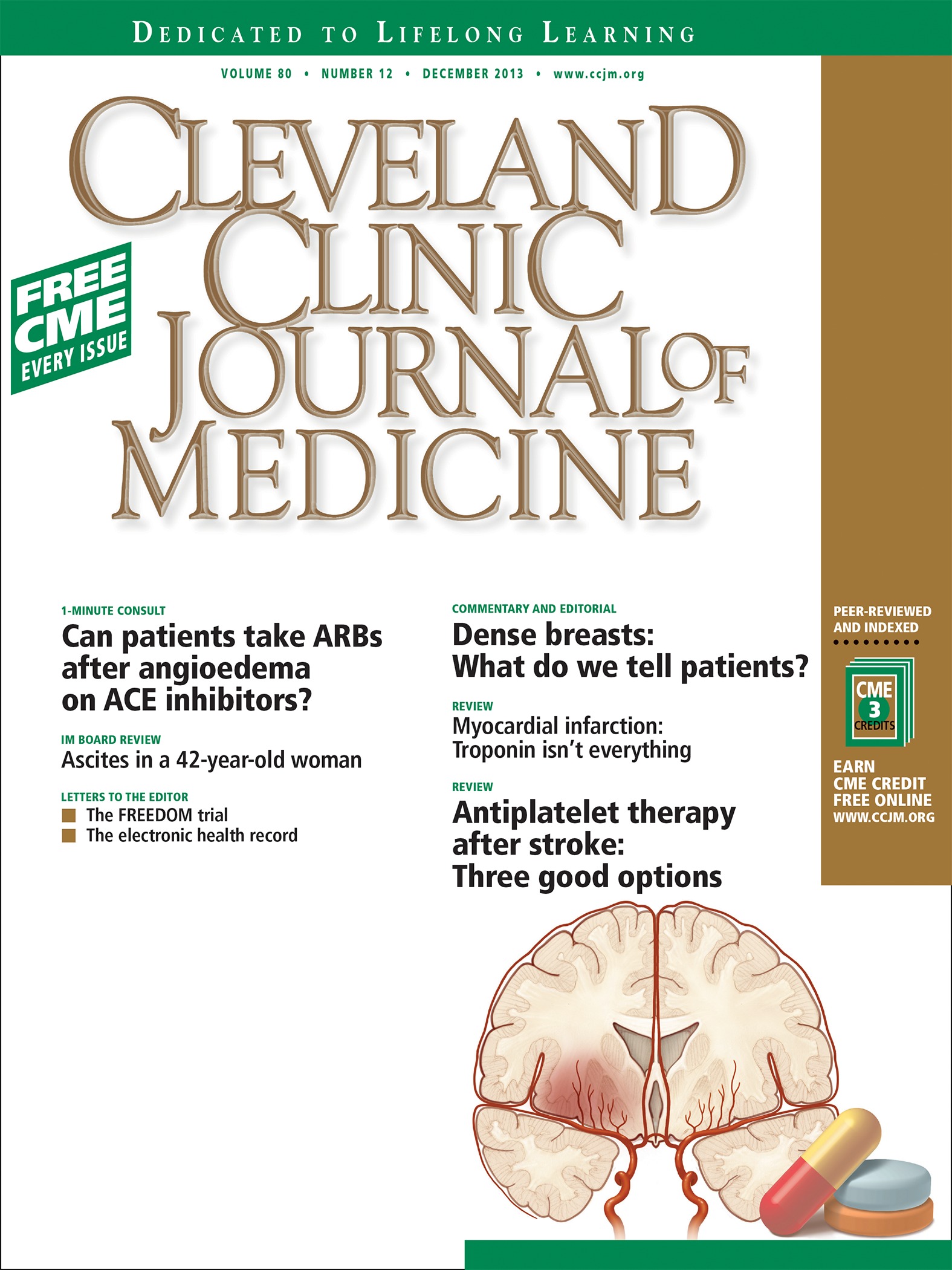
Angiotensin-converting-enzyme inhibitors (ace inhibitors) are a class of medication used primarily for the treatment of high blood pressure and heart failure. they work by causing arb acei angioedema relaxation of blood vessels as well as a decrease in blood volume, which leads to lower blood pressure and decreased oxygen demand from the heart.. ace inhibitors inhibit the activity of angiotensin-converting enzyme. Arbs can also cause angioedema, but the benefit may outweigh the risk if the patient truly needs the drug. can an arb be given to patients who have had angioedema on an ace inhibitor? cleveland clinic journal of medicine. Jun 01, 2020 · although earlier systematic reviews described a 1. 5 to 10 percent rate of recurrent angioedema in patients with a history of ace inhibitor-induced angioedema who were switched to an arb subsequent studies have not found arbs to be associated with higher rates of angioedema than other antihypertensives (eg, beta blockers). the findings of. Dec 14, 2020 · acei or arb are the first-line drugs in the management of chronic kidney disease (ckd) patients. (nsaids) and intermediate-dose aspirin (500 mg) can help with acei induced cough angioedema is the most significant adverse effect of acei. it can affect any part of the body, including intestine, but the most concerning is edema of the tongue.
0 Response to "Arb Acei Angioedema"
Posting Komentar